Additive Manufacturing from Prototype to Production
Functional Prototypes
Functional Prototypes
Functional Prototypes
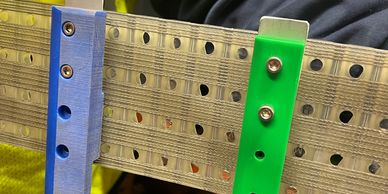
Produce functional parts for form, fit, and function evaluation before committing to production tooling. Additive manufacturing supports faster design iterations, physical testing, and validation using engineering-grade materials.
Production Components
Functional Prototypes
Functional Prototypes
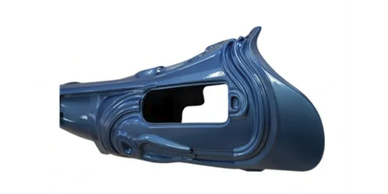
Produce end-use components without the time and investment required for traditional tooling. Additive manufacturing is well suited for low-volume and bridge production, replacement parts, and complex applications where conventional manufacturing becomes costly or impractical.
HP Multi Jet Fusion
Functional Prototypes
HP Multi Jet Fusion
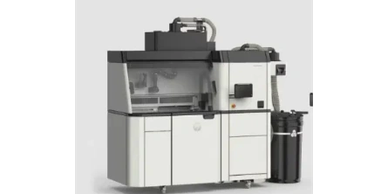
HP Multi Jet Fusion produces strong, detailed polymer parts with consistent mechanical properties across the build. The process supports complex geometries and efficient production of multiple parts without traditional tooling.
Complex Geometries
HP Multi Jet Fusion
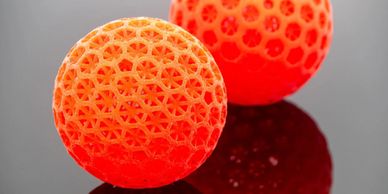
Create complex shapes, lattice structures, internal features, and consolidated components that are difficult or costly to produce conventionally. Additive manufacturing gives engineers greater design freedom while reducing the constraints imposed by traditional tooling.
Tooling & Fixtures
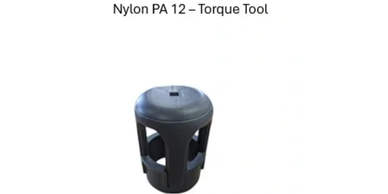
Produce custom tools, fixtures, nests, gauges, and manufacturing aids without the cost and lead time of traditional tooling. Additive manufacturing supports faster development, design changes, and application-specific solutions for production and assembly operations.
Advanced Materials & Finishing
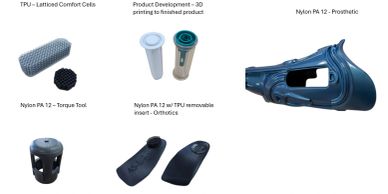
Engineering-grade materials including Nylon PA 12 and TPU support applications requiring strength, flexibility, durability, and complex geometry. Finishing options further expand the possibilities for functional and appearance-sensitive components.